Unnecessary and Beautiful
What if you could make a beautiful antique clock, that has spent the last 80 years unused, every bit as accurate and hassle-free as the clock on your phone?
If you're thinking 'I don't need one, I have my phone', you can probably stop reading now.
If you're thinking 'I love me a bit of wall jewellery, and the warm fuzzy feeling that I get when reclaiming the past', then read on.
There was a kind of clock that was widespread in the early to mid 1900s: the electric clock. These clocks didn't keep track of time themselves. Instead, they listened to a central master clock, keeping every timepiece in a large school, factory, or station in perfect synchrony (Figure 1).
Then the quartz clock came along. The quartz clock was cheap and accurate and its inexpensive mechanism made it a massive success. This made the electric clock far less commonplace.
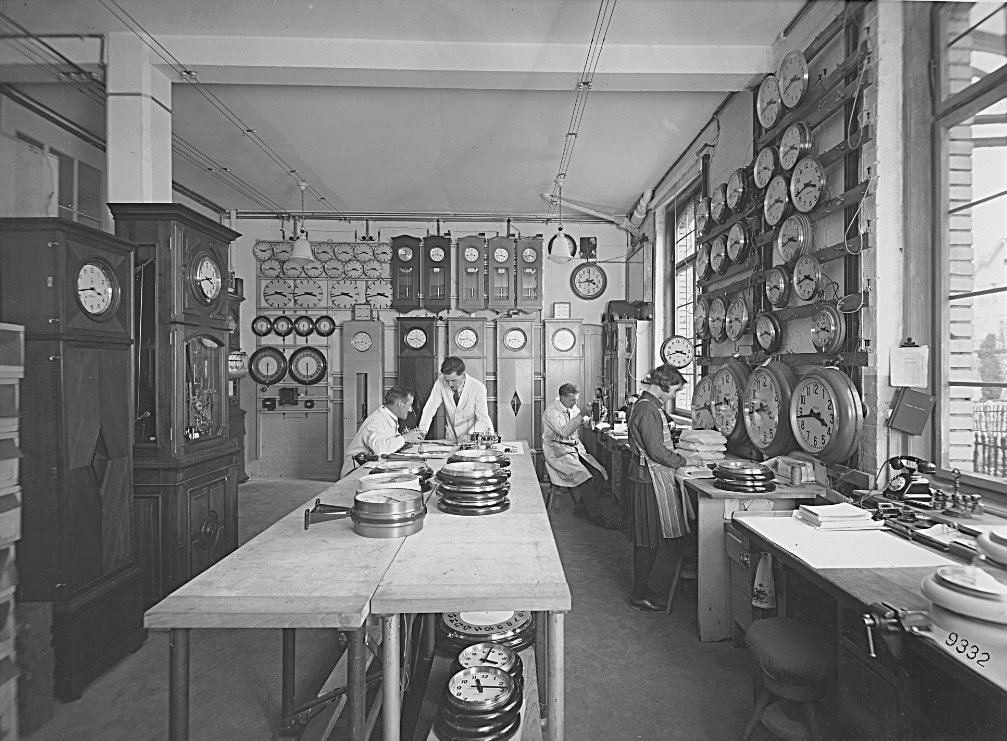
Figure 1: The Inducta Factory in Zug, Switzerland. Archiv für Zeitgeschichte ETHZ
Comeback
Like any good comeback, the underdog is back (after a training montage) with a new set of skills.
Thanks to the clock driver we built, the old electric clocks are self-adjusting, aware of time-zones and as accurate as the internet (ie much more accurate than a quartz clock). We’ve got a selection of these clocks in our store.
Here’s a video of a clock of the same type in the old factory photo, that was rescued from an attic in Switzerland and paired with (version 1 of) our clock driver.
If you want to see what's new in the latest version of the driver, there's more in VEEB Clock Driver Upgraded: USB-C Power and Tool-Free Terminals.