Solari Udine Icon 30 Flip Clock - 1970s

CHF 975.00

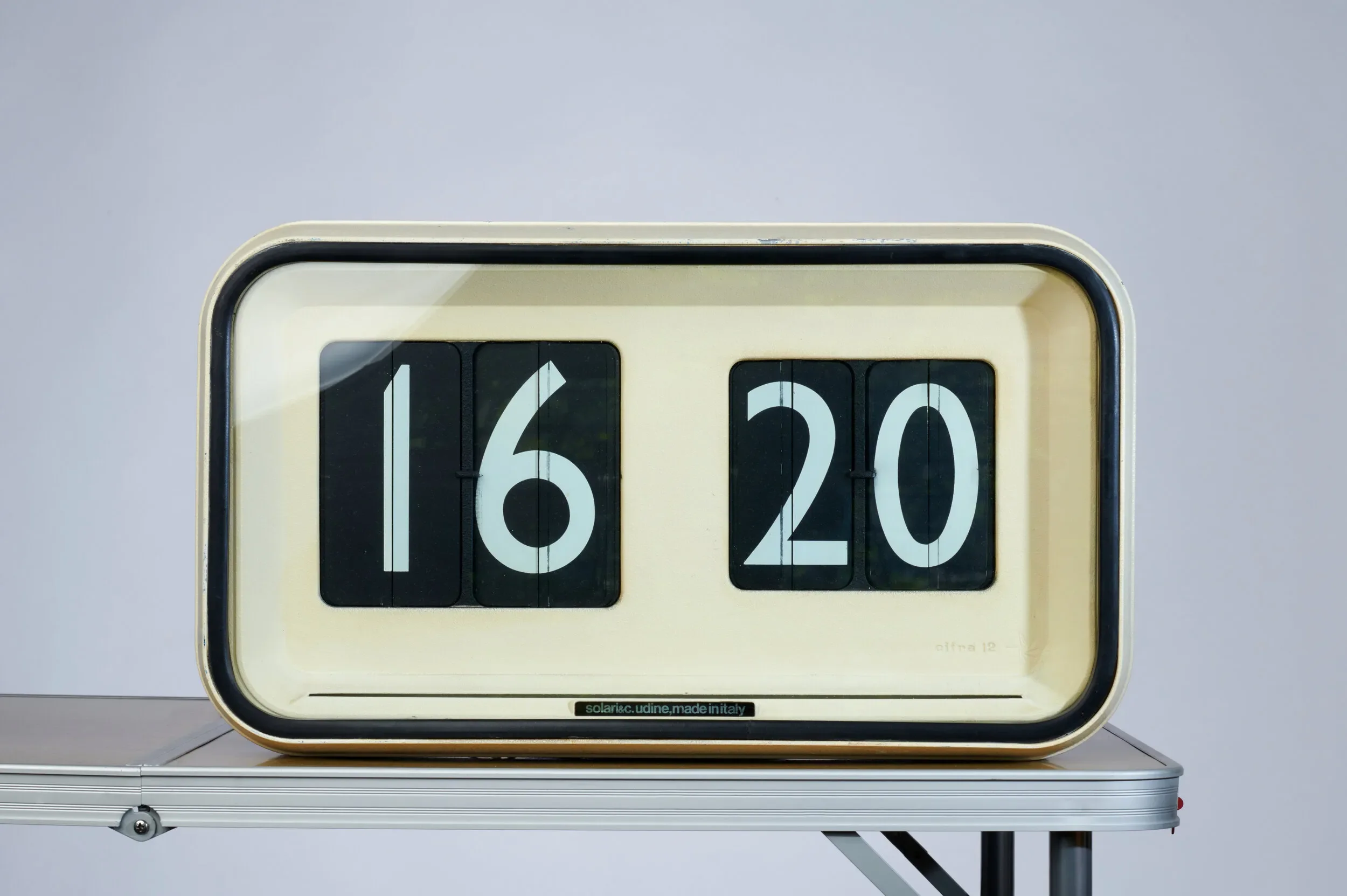
There's something a mechanical flip clock does that a screen never will: once a minute, it clacks over to the next number, and you notice. On the hour, the flip lands a little louder, a small mechanical cue that you register without quite thinking about it, so the passing hours announce themselves. Fiorella is Solari Udine's Icon 30, built in Italy in the 1970s by the company that made flip clocks their signature. A 24-hour display sits behind a transparent cover, so the mechanism itself becomes part of the design, set in a soft green-fawn shell with sharp, angular edges and bold, legible typography.

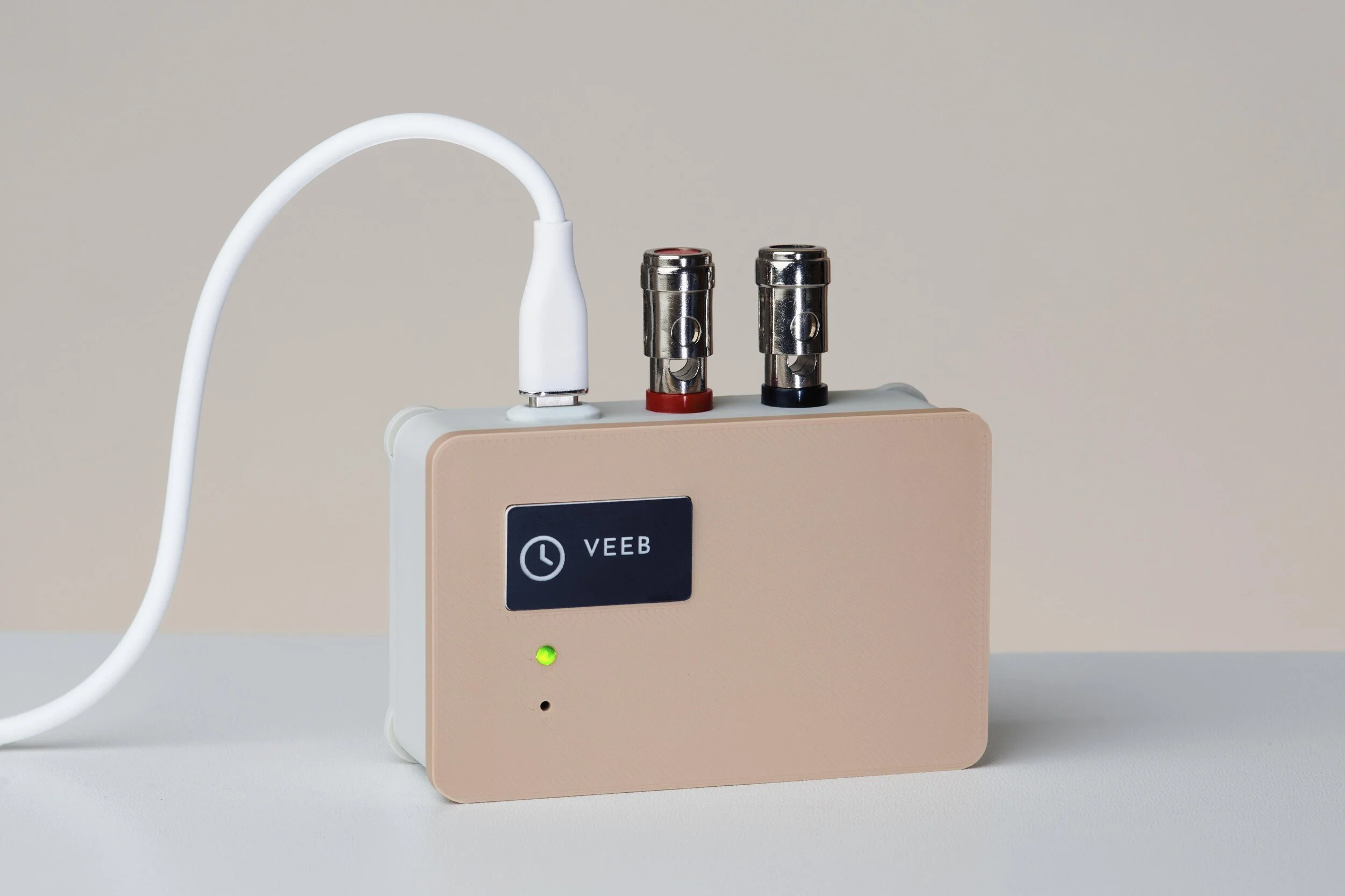
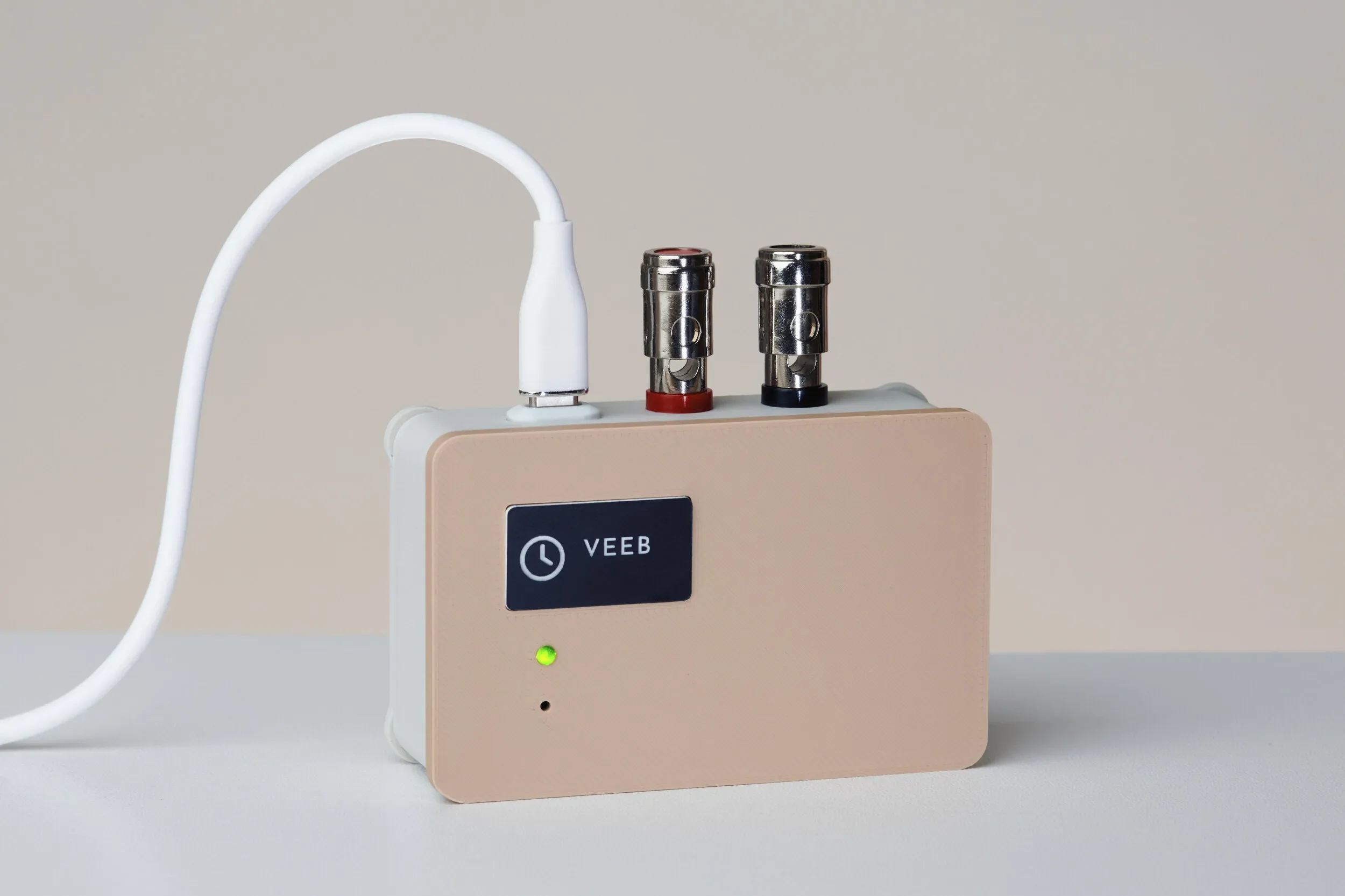
The original electric movement is still in place and runs smoothly today, over fifty years after it was built. Pair it with the included VEEB Clock Driver: give it your wifi details once, no app, nothing to learn, and a decades-old mechanism keeps modern time from then on, entirely on its own.

This is a single vintage piece, not a reproduction, so once it's found a home there won't be another exactly like it.

There's something a mechanical flip clock does that a screen never will: once a minute, it clacks over to the next number, and you notice. On the hour, the flip lands a little louder, a small mechanical cue that you register without quite thinking about it, so the passing hours announce themselves. Fiorella is Solari Udine's Icon 30, built in Italy in the 1970s by the company that made flip clocks their signature. A 24-hour display sits behind a transparent cover, so the mechanism itself becomes part of the design, set in a soft green-fawn shell with sharp, angular edges and bold, legible typography.

The original electric movement is still in place and runs smoothly today, over fifty years after it was built. Pair it with the included VEEB Clock Driver: give it your wifi details once, no app, nothing to learn, and a decades-old mechanism keeps modern time from then on, entirely on its own.

This is a single vintage piece, not a reproduction, so once it's found a home there won't be another exactly like it.

×

A Timeline of Solari Udine

  • Three hundred years 2025
    Solari marks its 300th anniversary and formally changes its name to Solari SpA, Premiata Fabbrica Orologi fondata nel 1725, Pesariis (Udine), reuniting the two halves of the family firm in name at least. Poste Italiane issues a commemorative stamp showing the Cifra 3. Solari, Wikipedia
  • The Icon 30 1970s
    A 24-hour flip clock built to be read across a room, its display set behind a transparent cover. By this point the flap system had been Solari's signature for two decades.
  • The Cifra 12 1960s
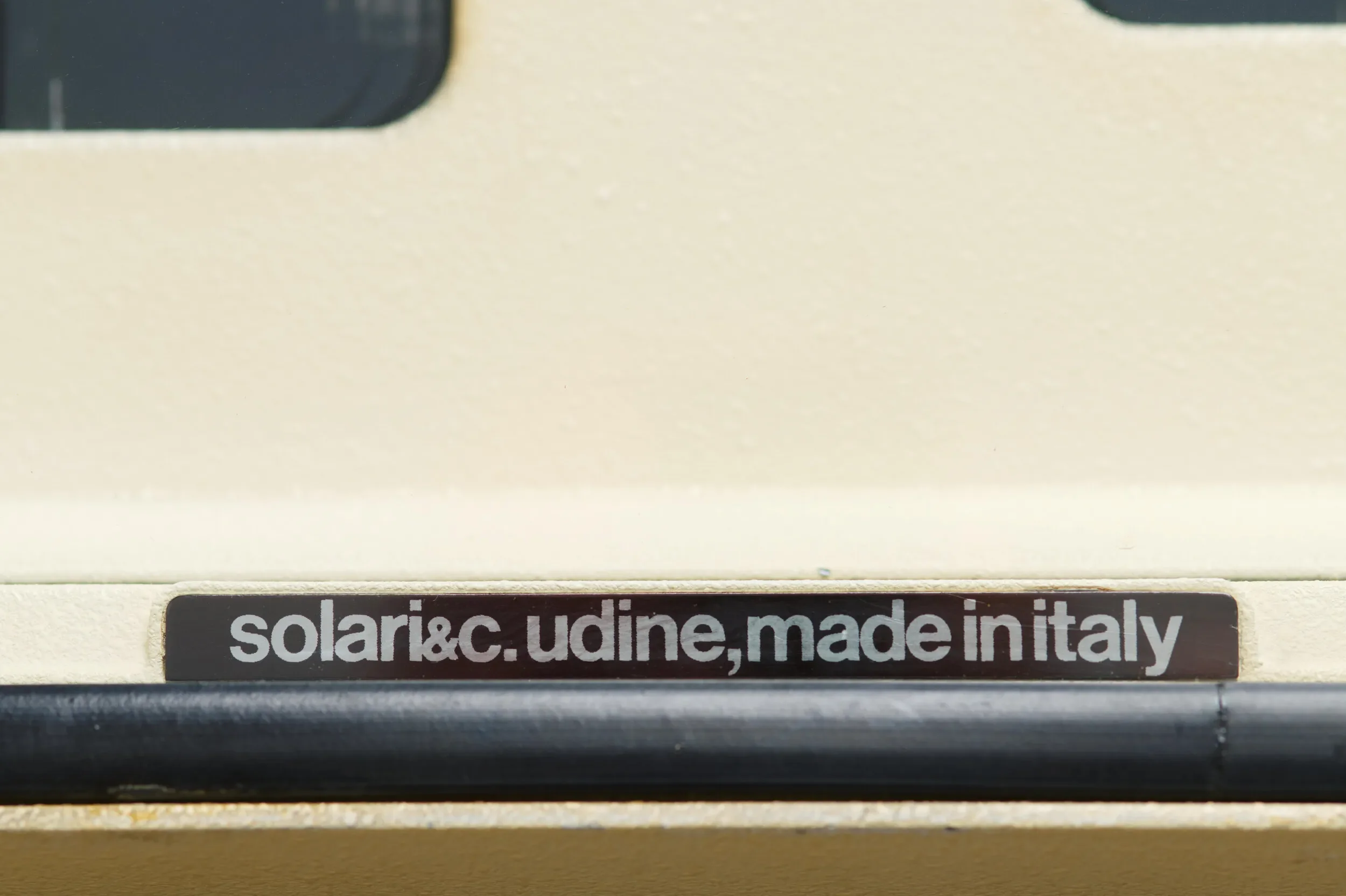
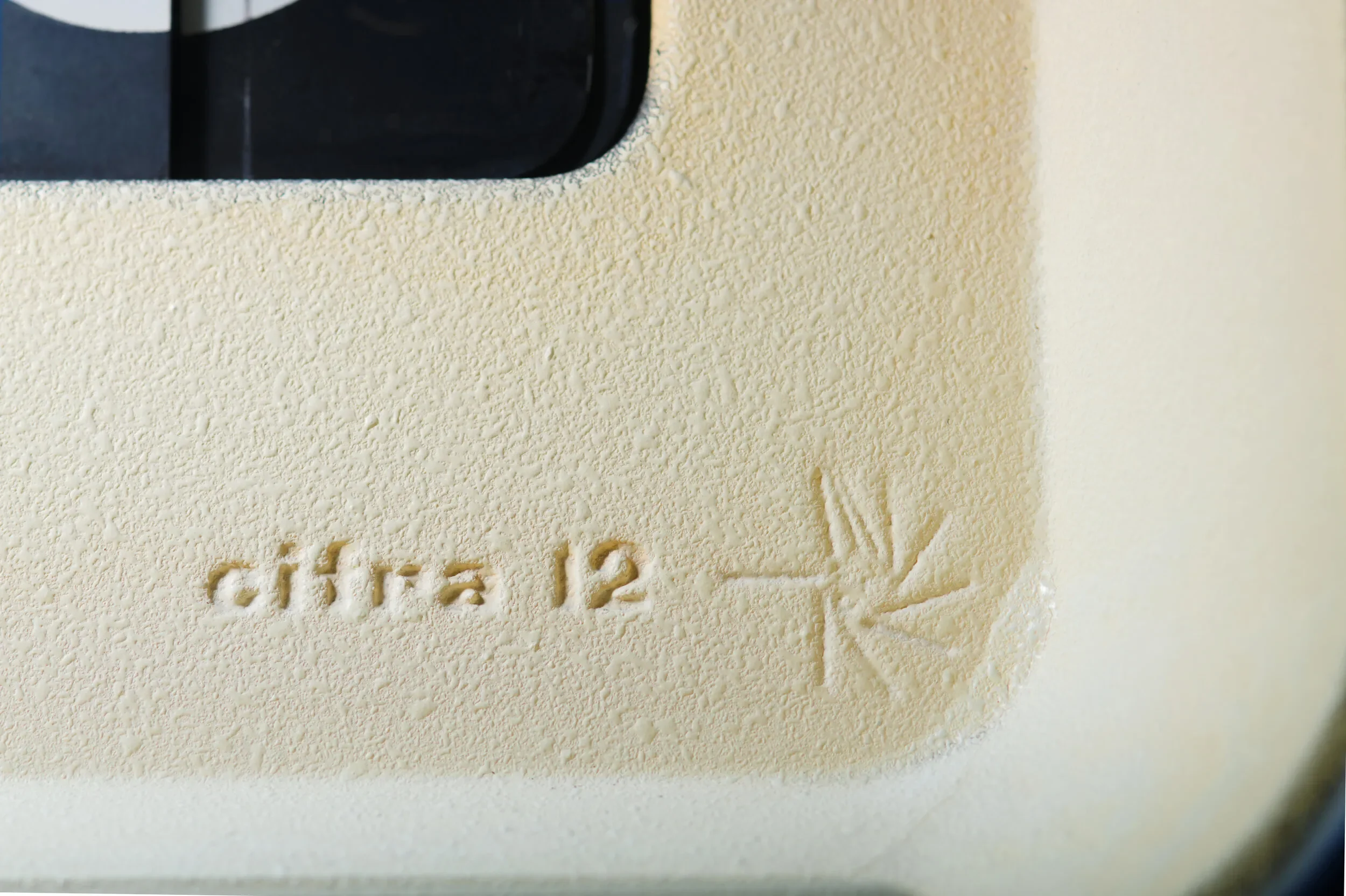
    A station clock rather than a desk piece: a cast aluminium case around two feet wide and weighing over twenty pounds, with black flaps behind glass, built to be legible down a platform. Attributed to Gino Valle. Examples are marked Solari & C. Udine Italy on the casting. Digs Interiors, Worthpoint
  • Cifra 3 1965
    Gino Valle designs the Cifra 3, working with Belgian inventor John Myer on the flap roller and Massimo Vignelli on the numerals. Solari donates one to the Museum of Modern Art in New York, which accessions it in 1966 and shows it the following year in Recent Acquisitions. It returned to the walls in 2004 for Humble Masterpieces, and is still widely held to be the finest flip clock ever made. MoMA, Wikipedia
  • The boards reach JFK 1962
    Solari's alphanumeric tele-indicators win the company a second Compasso d'Oro and are installed at the TWA Terminal at JFK. The split-flap board becomes the sound of air travel, and stays that way for forty years. InTrieste
  • The Compasso d'Oro, and the first departure board 1956
    Gino Valle's Cifra 5 wins the Compasso d'Oro, Italy's foremost industrial design award. The same year, Solari installs its first split-flap departure board at Liege-Guillemins station in Belgium. Remigio Solari's flap mechanism goes on to fill airports and stations worldwide. Wikipedia, InTrieste
  • The brothers move to Udine 1948
    After a family disagreement over the direction of the business, brothers Remigio and Fermo Solari leave Pesariis and set up a separate firm in Udine. Fratelli Solari stays behind in the mountains. The new company turns toward industrial clocks, time recorders, and displays for the public. Solari, InTrieste
  • A tower clock factory in Pesariis 1725
    The Solari family begins making clocks in Pesariis, a village in the Carnia mountains of Friuli. Trading as the Antica e premiata fabbrica di orologi da torre, the workshop supplies tower clocks to churches and public buildings across Italy. The village becomes known as il paese degli orologi, the village of clocks. Solari