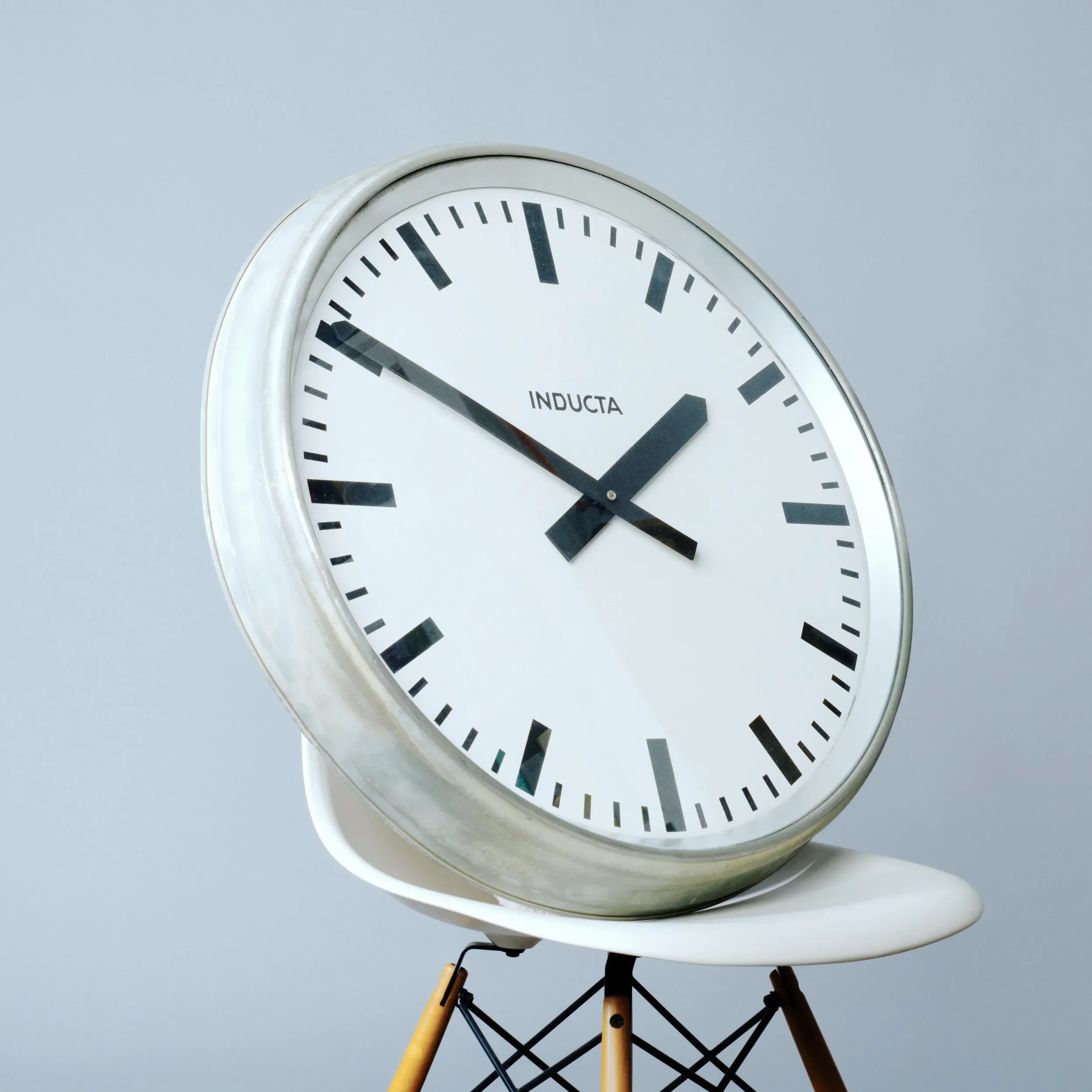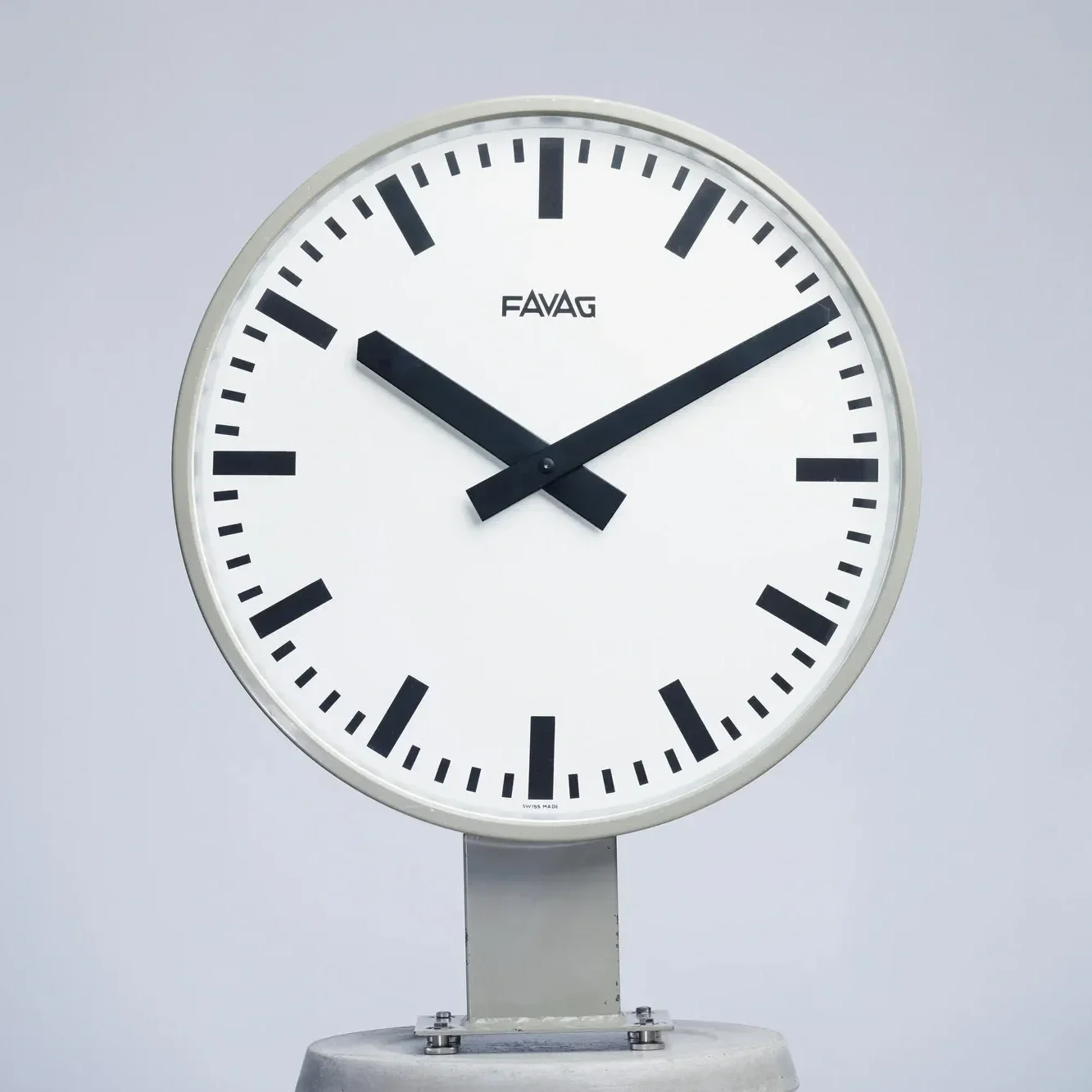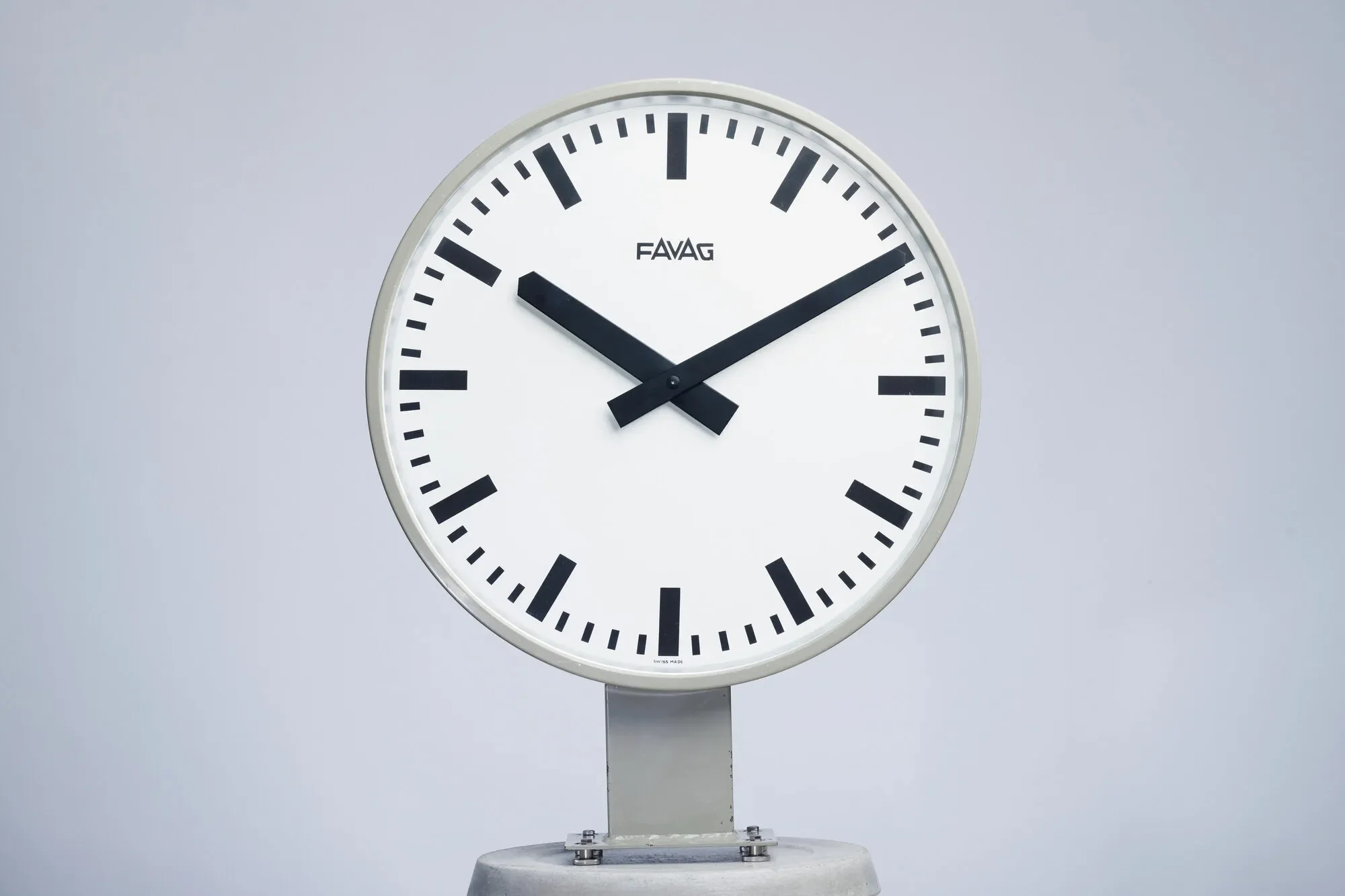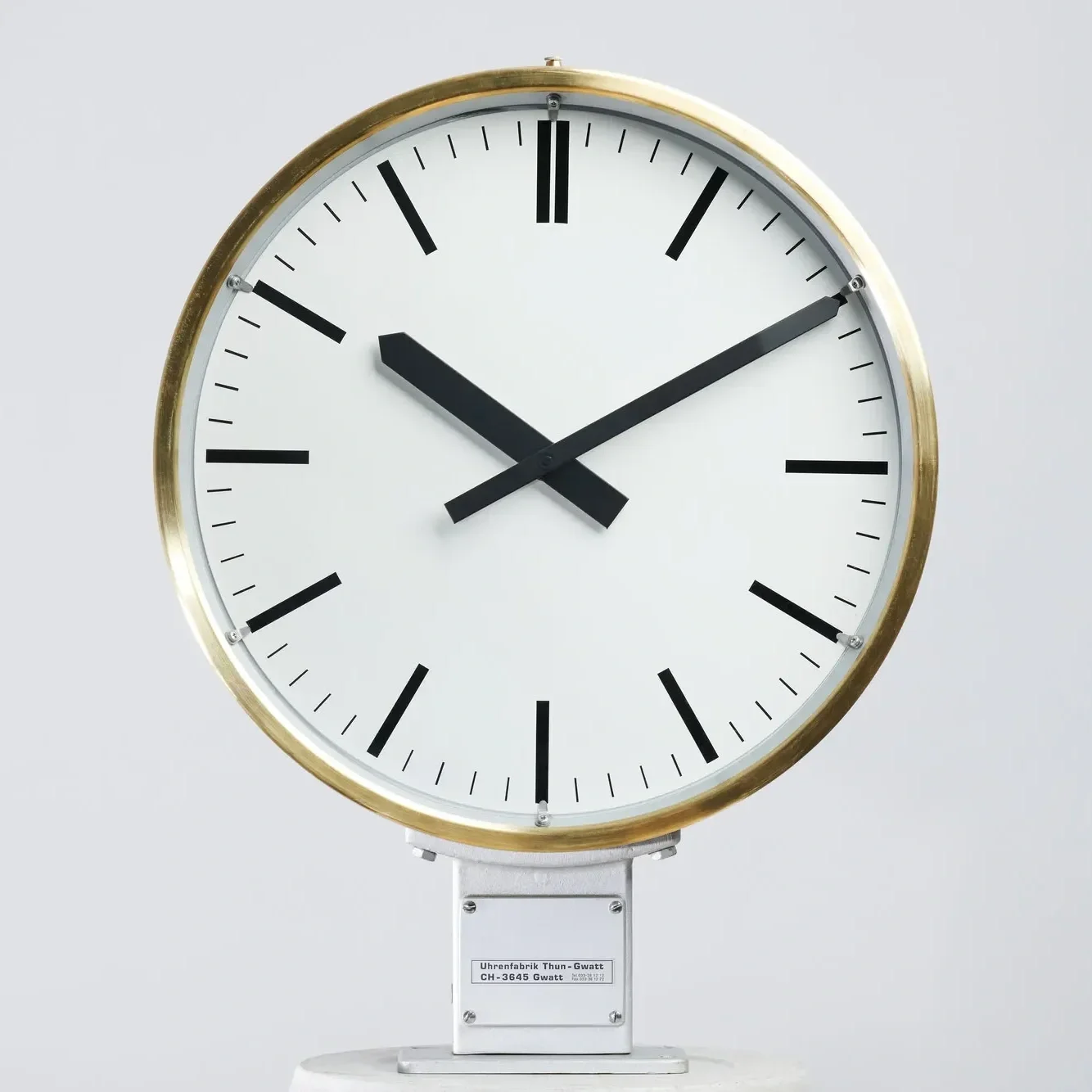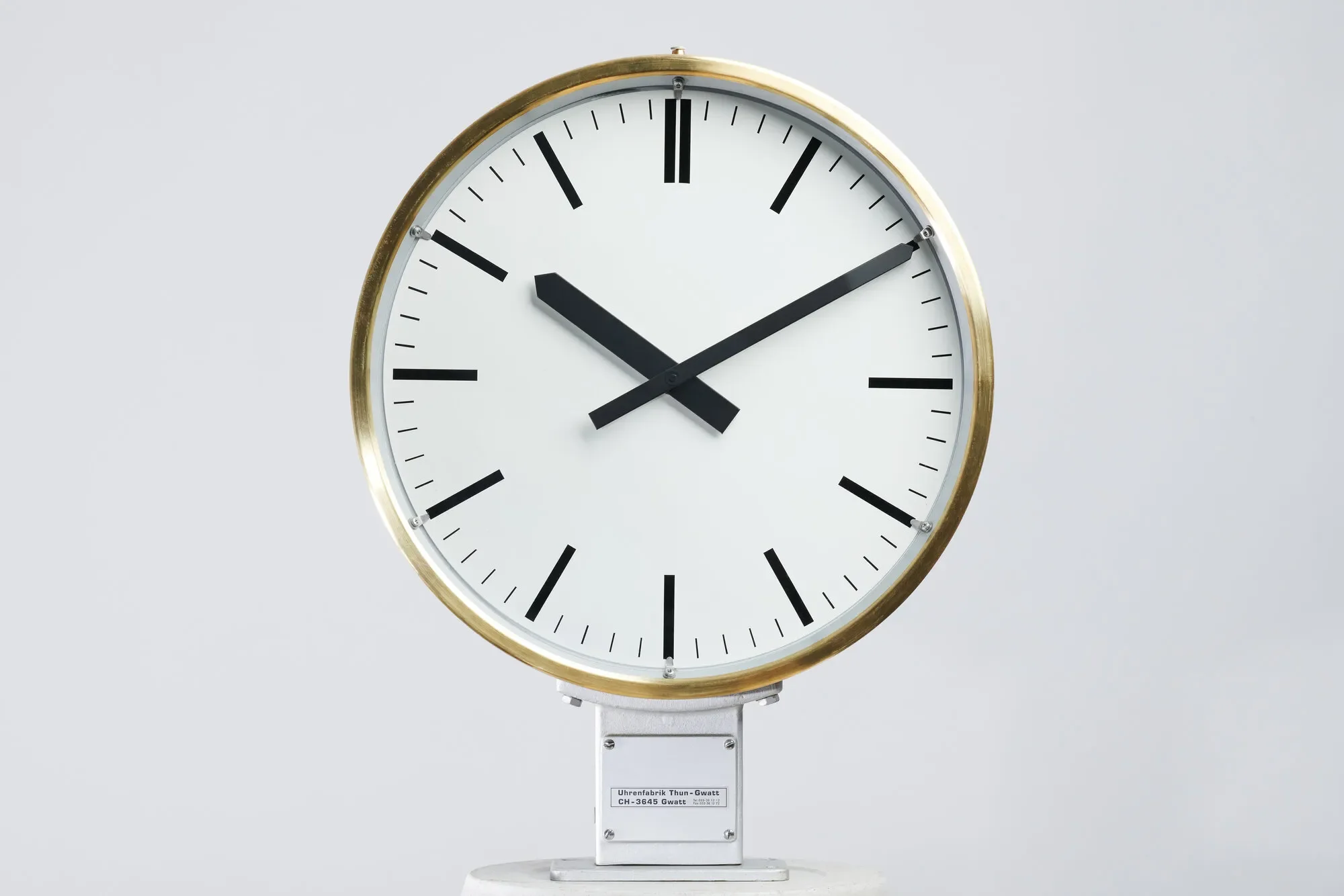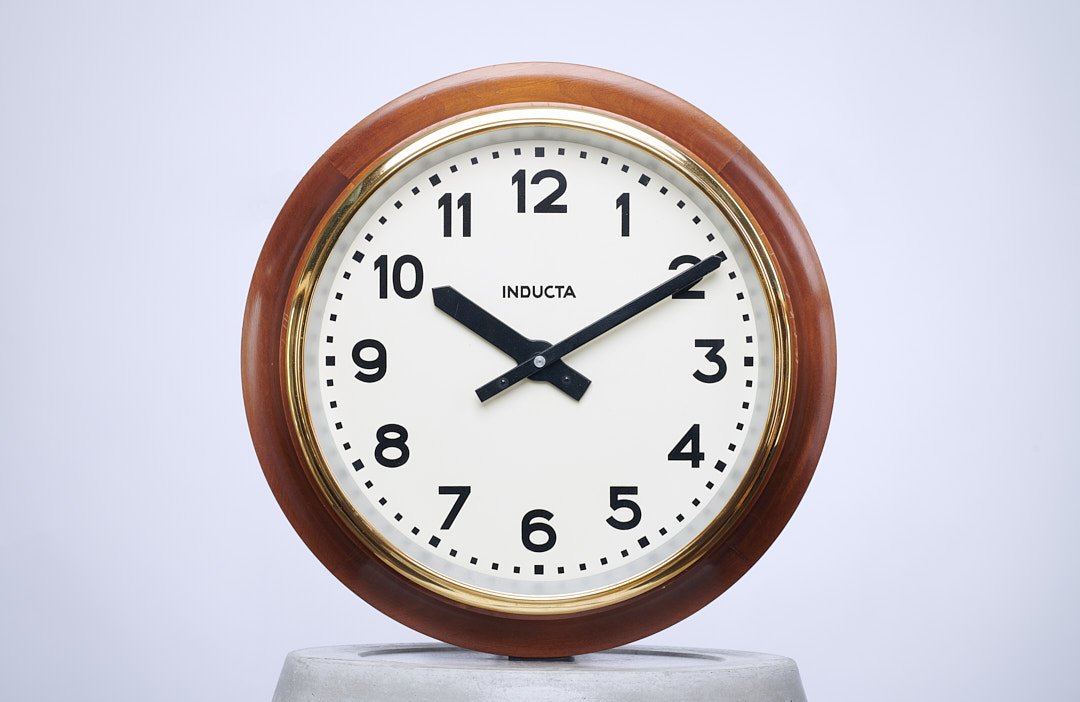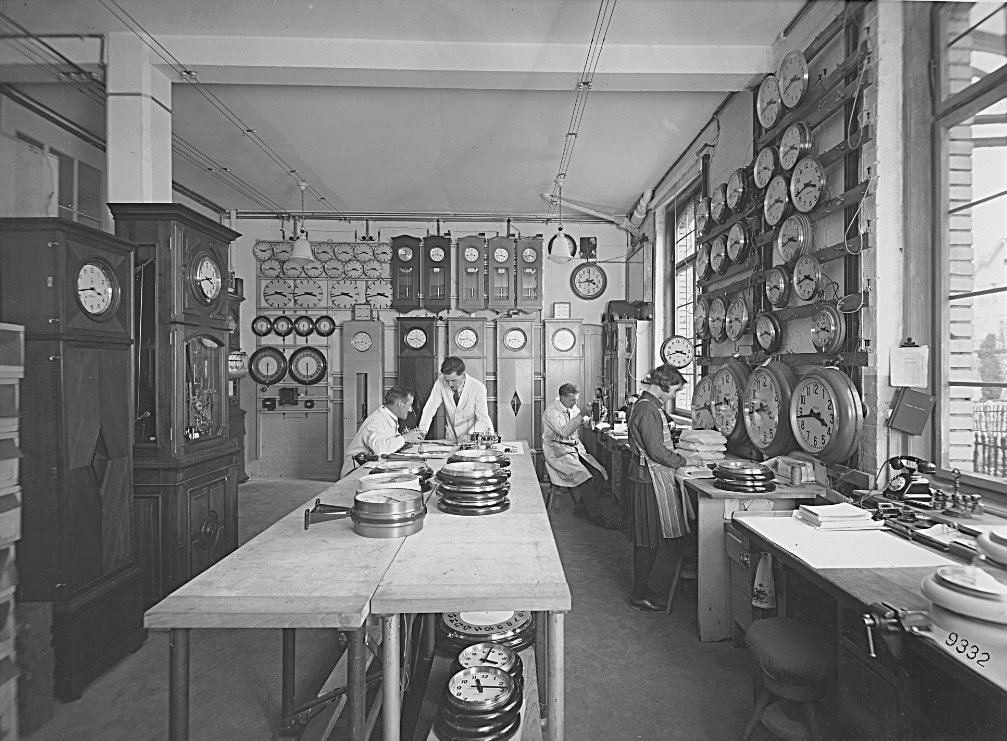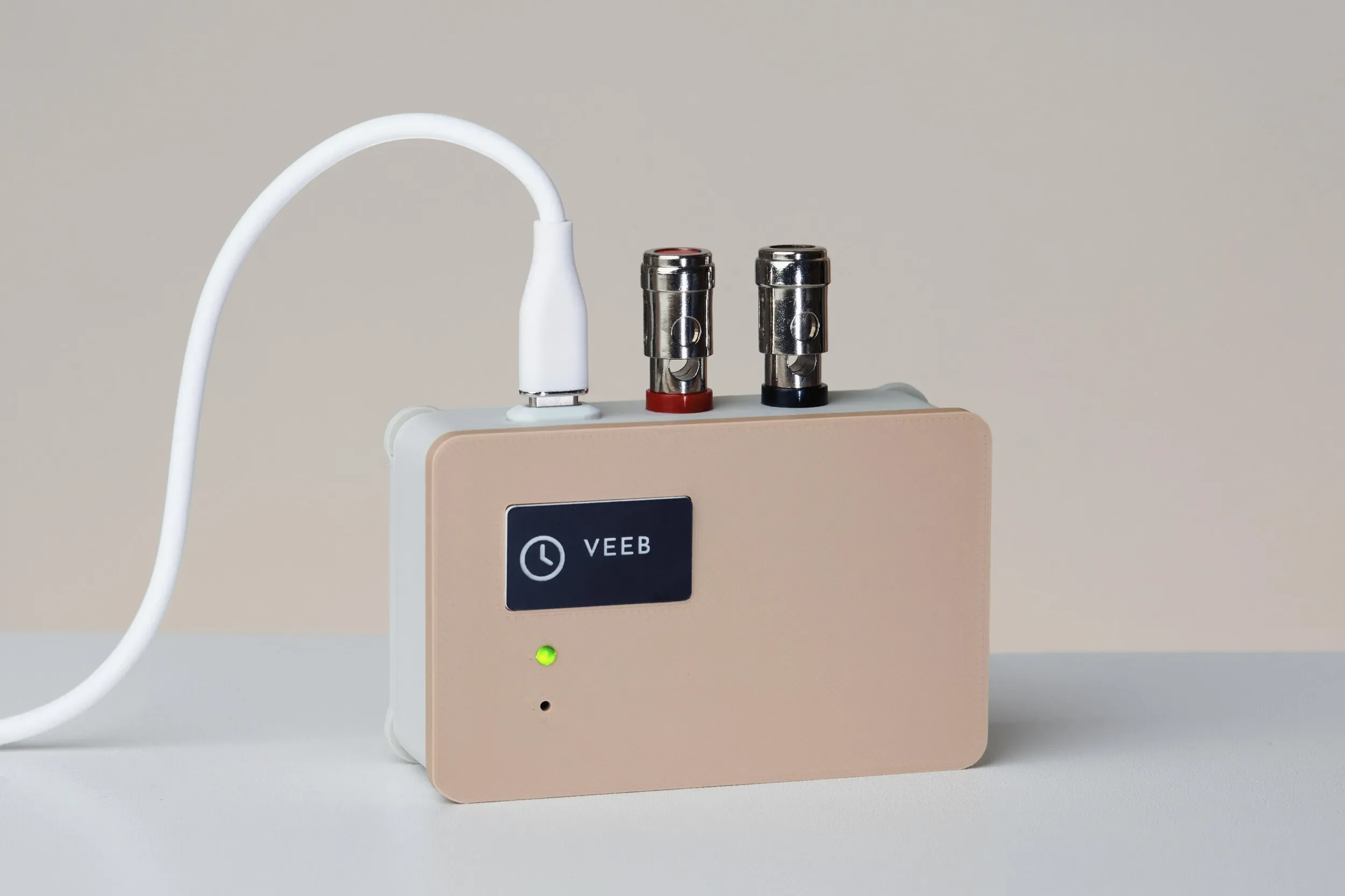

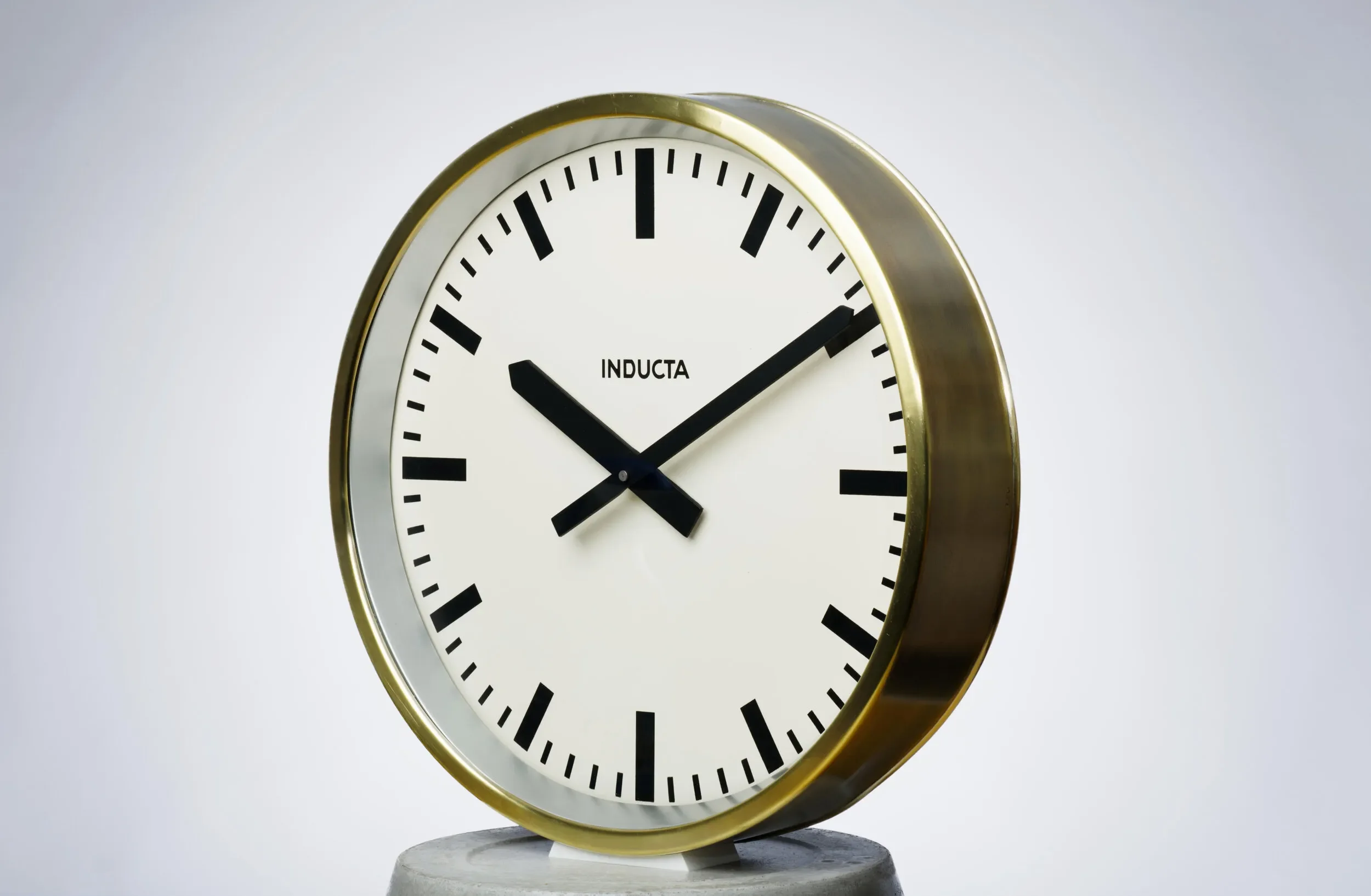
 Image 1 of 5
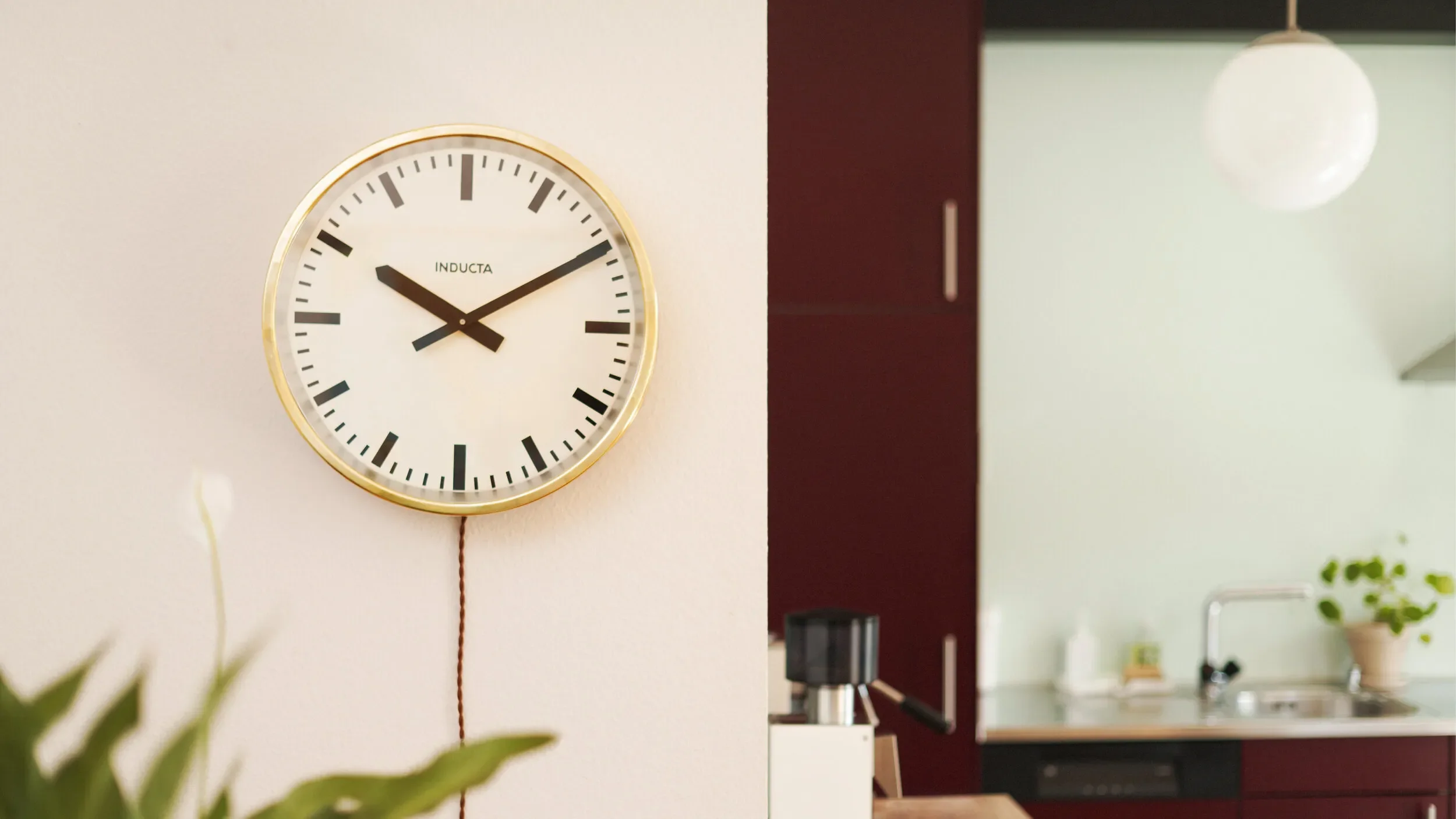 Image 2 of 5
 Image 3 of 5
 Image 4 of 5
 Image 5 of 5
Control the angle of rotation with the yellow slider bar
A Timeline of Inducta
-
INDUCTA today 2026
INDUCTA AG builds advertising and large-format clocks to order from Gwatt, from single pieces to production runs, still under the brand name it acquired in 1962. Among its engineering claims is what was at the time the largest clock in the world, at 16.2 metres across. Inducta milestones -
Out of family hands 2017
The firm moves into a new building at Im Schoren in Gwatt, with room for a second line of business. With neither of Hans Wittwer's children wanting to take it on, the company is sold to its managing director, ending ninety-three years of family ownership. Wittwer-Bär Immobilien AG remains. Inducta, Thuner Tagblatt -
INDUCTA AG 2012
The parent company is renamed Wittwer-Bär Immobilien AG, and a subsidiary, INDUCTA AG, is established to run the operating business. Inducta milestones -
Uhrenfabrik Wittwer-Bär AG 2009
The company is renamed Uhrenfabrik Wittwer-Bär AG. Inducta milestones -
Uhrenfabrik Thun-Gwatt 1988
The clock factory is founded as Uhrenfabrik Thun-Gwatt, Wittwer-Bär AG. By now the range has moved decisively toward large clocks and advertising clocks made for well known watch brands. Inducta milestones -
Adolf Bär dies 1966
Adolf Bär dies in Thun at seventy-six. His son-in-law Hans Wittwer, by then running the factory for well over a decade, stays at its head for another fifty years. Historisches Lexikon der Schweiz -
The Inducta name 1962
The Turmuhrenfabrik takes over the Inducta product line. The name goes back to Schweizerische Magneta AG, the electric clock firm founded by Martin Fischer, which Landis+Gyr bought into in 1919 and moved to Zug. Landis+Gyr wound the clock business down in 1950, handing it with its patents to its subsidiary SAIA in Bern-Murten. From 1962 the Gwatt firm's industrial and advertising clocks carry the Inducta name. Inducta, Landis+Gyr Zug, Watch-Wiki -
Hans Wittwer joins 1952
Hans Wittwer marries Margrit Bär, joins his father-in-law's firm, and it becomes a limited company. Trained as a merchant rather than a clockmaker, he picks up the trade through correspondence courses and goes on to lead the business for more than sixty years. Historisches Lexikon der Schweiz, Thuner Tagblatt -
Turmuhrenfabrik A. Bär 1924
At thirty-four, Adolf Bär founds his own works in Gwatt near Thun, building mechanical tower clocks for churches. He carries it through the crisis years of the 1930s, and the first electromechanical mother clocks open the way into industrial clocks. Inducta, Historisches Lexikon der Schweiz -
Adolf Bär is born 1890
Adolf Bär is born in Kleinandelfingen, the son of a master baker and innkeeper. He learns clockmaking from his brother at the Turmuhrenfabrik in Sumiswald, and after journeyman years that take him to Berlin and Paris he returns there as works foreman. Historisches Lexikon der Schweiz