
 Image 1 of 7
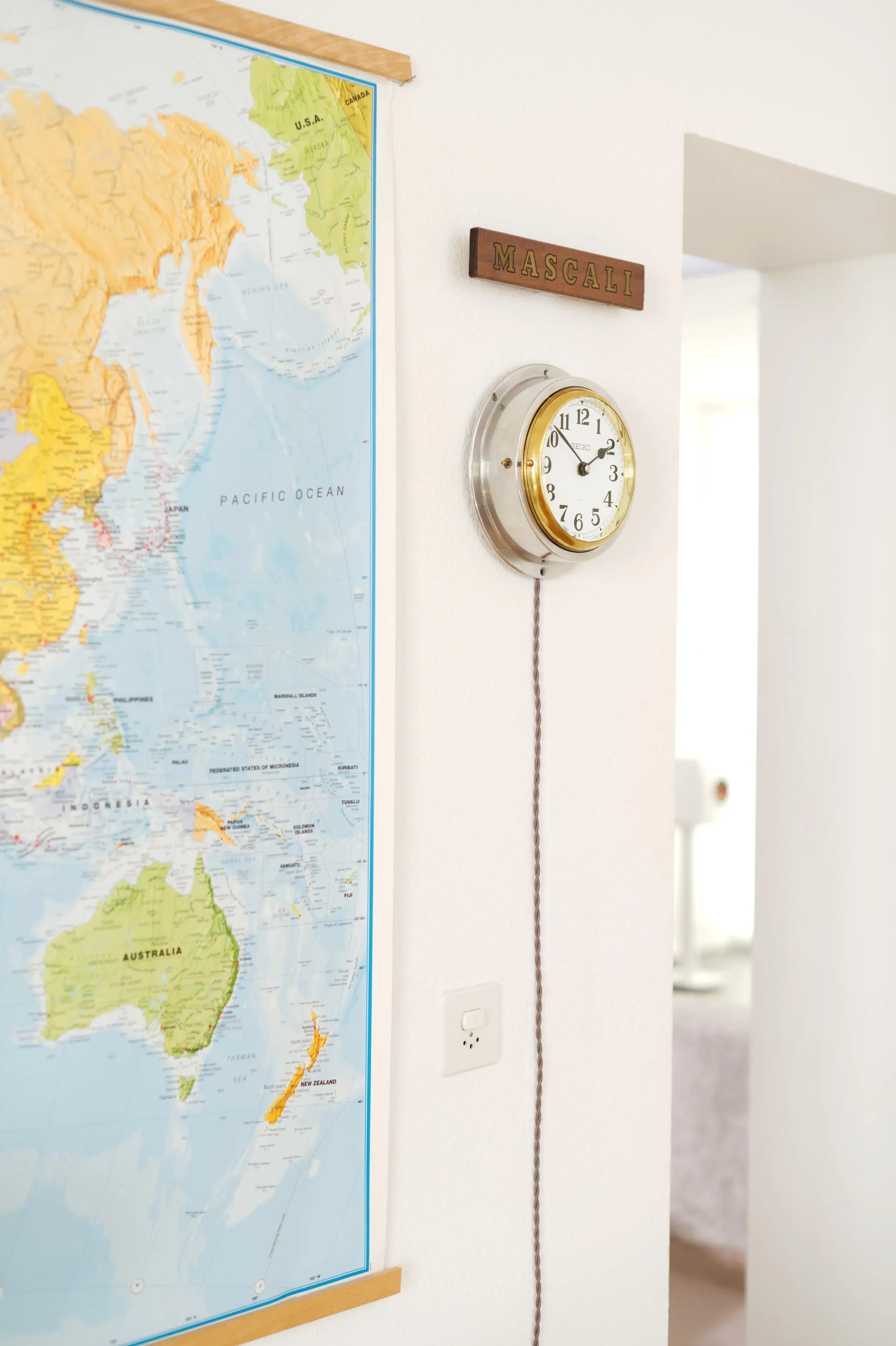 Image 2 of 7
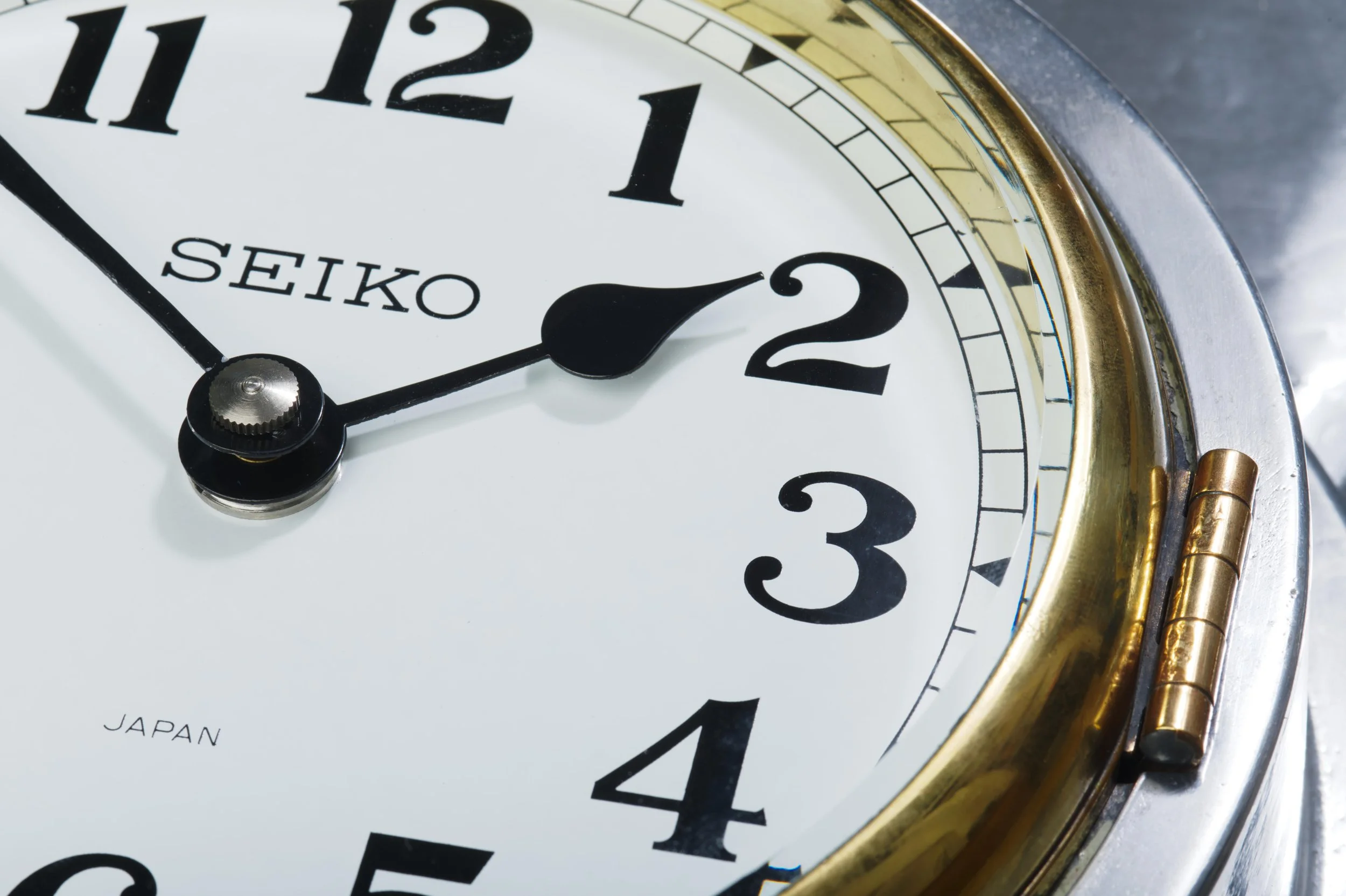 Image 3 of 7
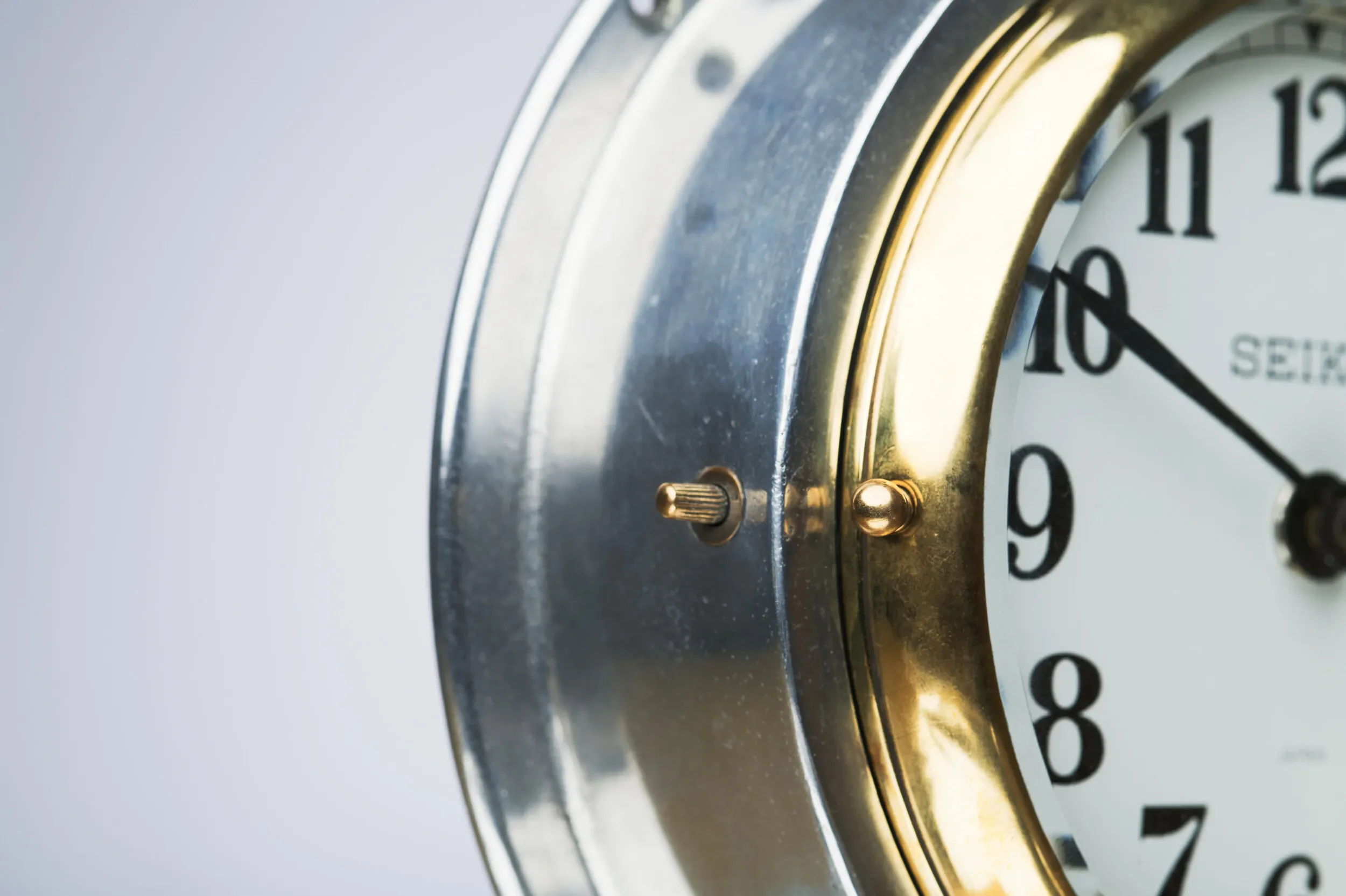 Image 4 of 7
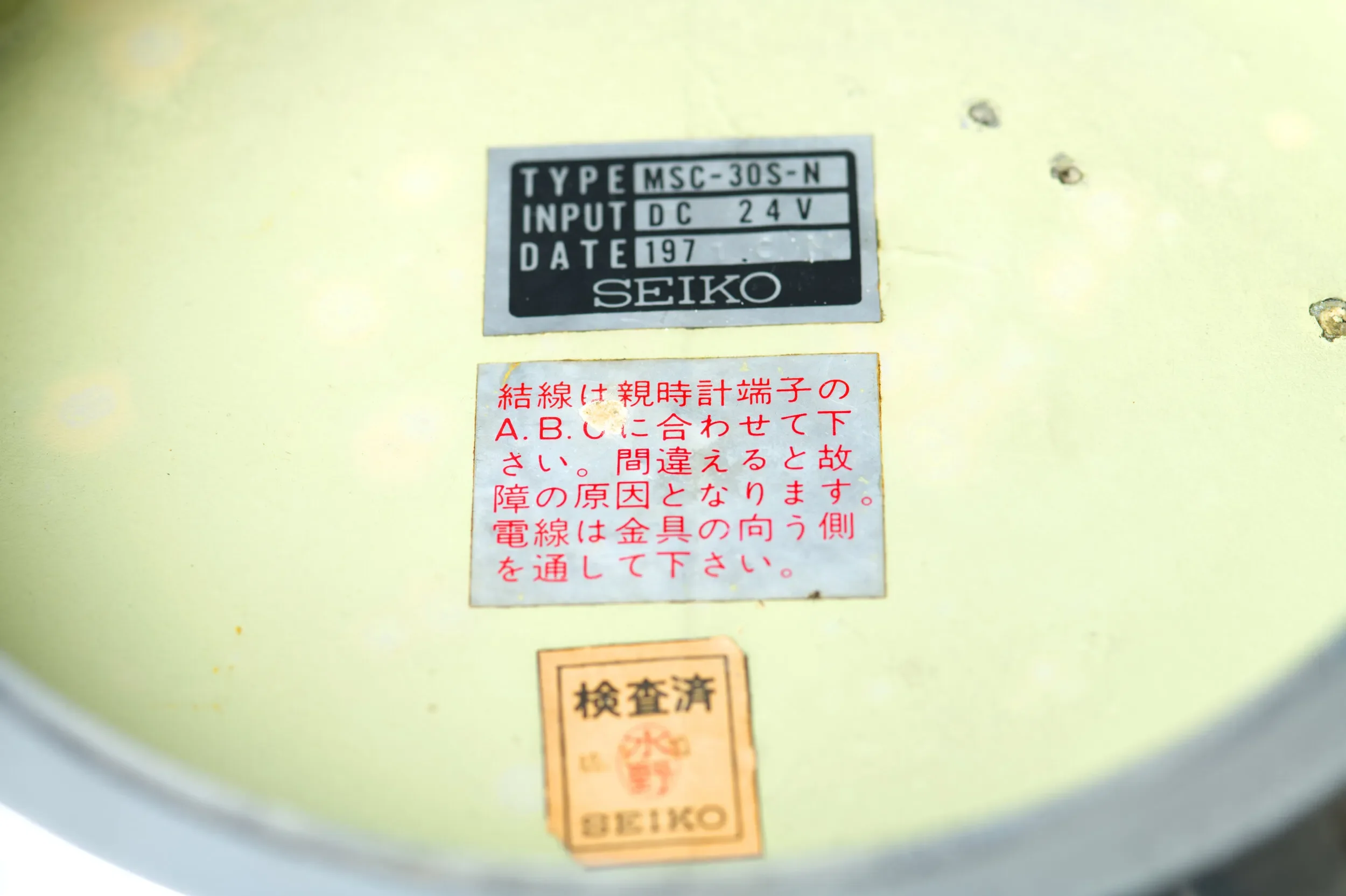 Image 5 of 7
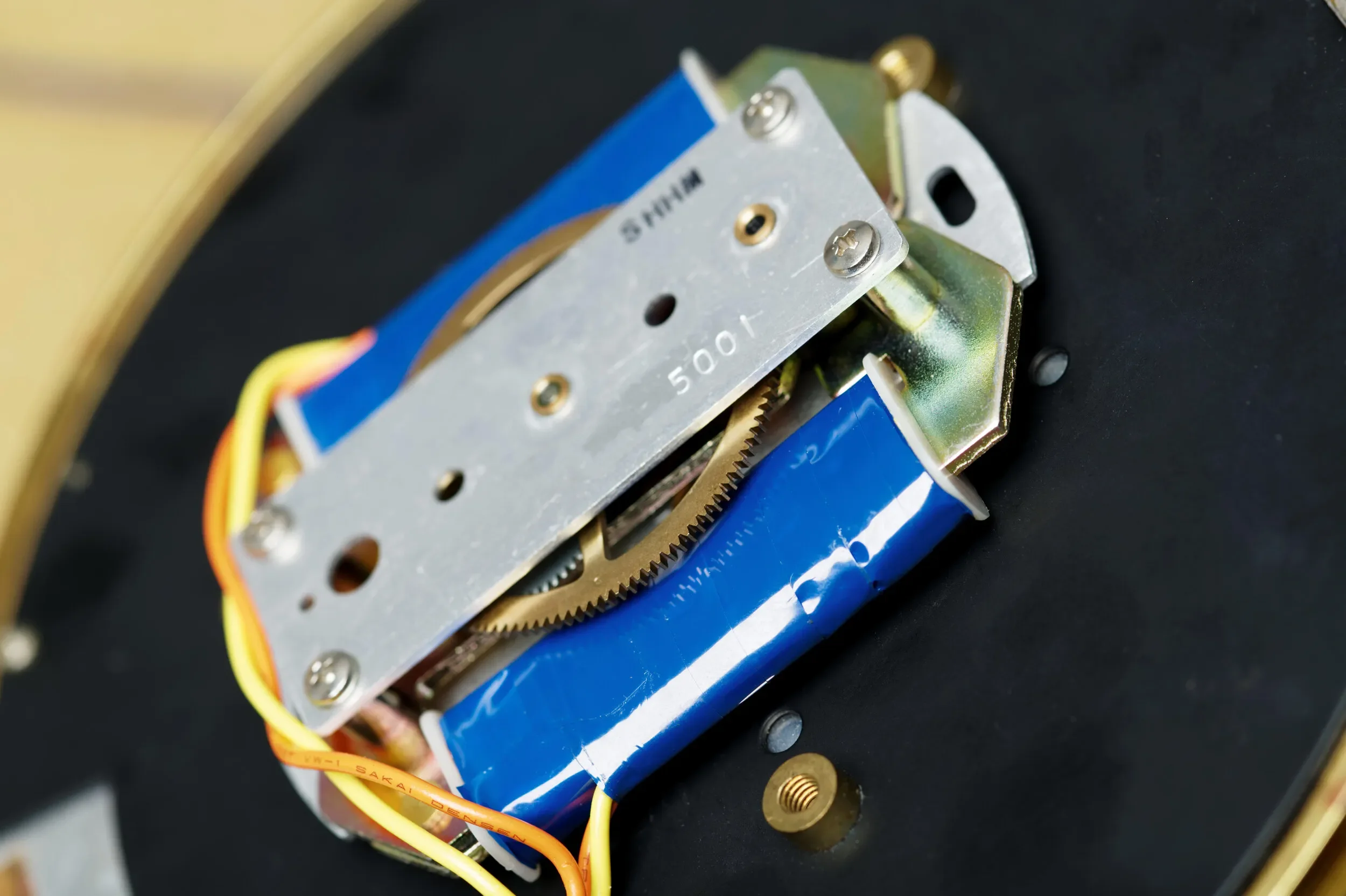 Image 6 of 7
 Image 7 of 7
Control the angle of rotation with the yellow slider bar
A Timeline of SEIKO
-
SEIKO today 2026
Seiko still makes everything in house, from the escapement to the case, and still runs the Ginza clock tower its founder built. The list of firsts is long enough that this timeline only skims it. Seiko -
A computer on your wrist 1984
The UC-2000 put data entry, calculation and translation on the wrist, clipping into a keyboard dock that could run BASIC and print results on a thermal printer. It followed Seiko's own Data 2000 of the year before, and the two together are where wrist computing properly begins. Cybernews -
The world's first TV watch 1982
A 1.2-inch LCD on the wrist, showing television and receiving FM radio, with a tuner the size of a Walkman in your pocket and a cable running up your sleeve. The Guinness Book of Records listed it as the world's smallest television in 1984. James Bond wore one in Octopussy. Seiko Design, System Source Museum -
Astron, and the quartz revolution 1969
-
Time for the Olympics 1964
Seiko serves as official timer of the Tokyo Olympic Games, the first time a Japanese company took the role. It went on to time five more: Sapporo, Barcelona, Lillehammer, Nagano and Salt Lake City. Seiko Group -
Seiko takes time to sea 1962
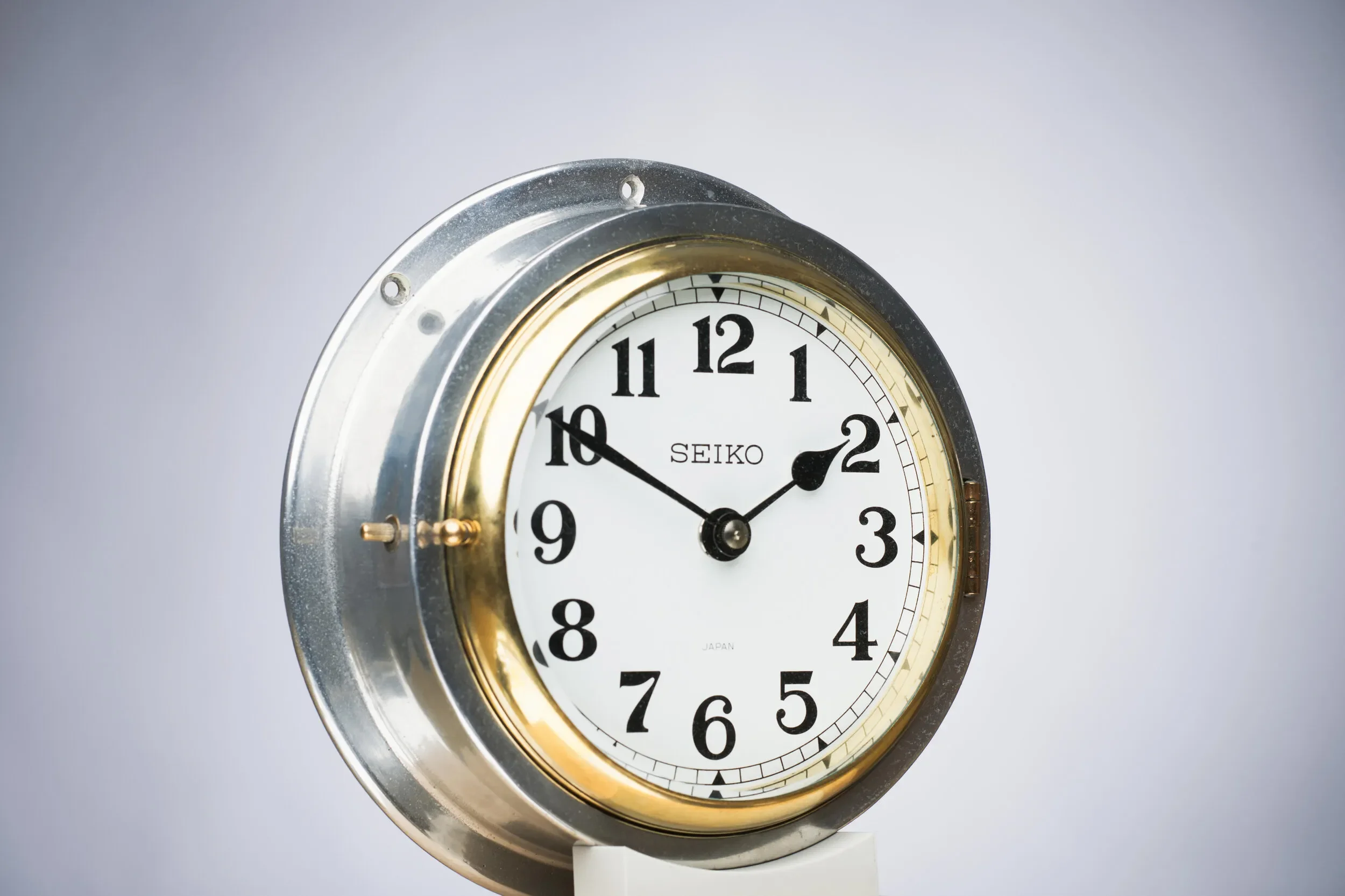
Seiko developed a system letting a single mother clock drive every clock on a ship. The first was installed aboard the Japanese ocean liner Wakasa Maru. Crossing a time zone meant adjusting one clock on the bridge, forwards or back, rather than sending crew round the vessel resetting each dial by hand. -
Railway watch 1929
The Ministry of Railways designates a Seikosha pocket watch as its official railway watch. Japan's railways had until then relied on imported timepieces, and this was the first of its kind made domestically. Seiko -
The SEIKO name appears 1924
The first watch to carry the Seiko name. It was to have been called Glory, but a year after the earthquake destroyed his factories Kintaro Hattori wanted a name that marked a fresh start. Seiko carries two meanings at once: precision, and success. Seiko -
Japan's first wristwatch 1913
The Laurel, Japan's first domestically produced wristwatch. Wristwatch production had only begun anywhere around 1910, and shrinking a movement to 12 ligne stretched the factory's tooling to its limit. A year later the First World War made wristwatches ordinary. Seiko Museum -
Timekeeper 1895
Seikosha produces its first pocket watch, the Timekeeper, moving from wall clocks into personal timepieces. The pocket watch business lost money for years before it eventually took the market. Seiko Group -
Clock tower of Ginza 1894
Hattori moves the store to the corner of Ginza 4-chome and puts a clock tower above it, at a time when wristwatches were rare and the street needed somewhere to look. It became known as Hattori's clock tower. The building standing today dates from 1932 and is now Seiko House Ginza. Seiko Museum, Nippon.com -
House of precision 1892
Hattori buys a disused glass factory in Honjo, now Sumida, and starts making wall clocks of his own. He names it Seikosha, roughly the house of exquisite and precise manufacture. Seiko -
Kintaro Hattori, a young clockmaker 1881
At twenty-one, Kintaro Hattori opens K. Hattori in Uneme-cho, Kyobashi, the district he was born in, retailing and repairing imported clocks and watches. His rule was to keep every promise, however difficult. Seiko Museum, Seiko